Why DNA Fragmentation Testing is Important
Your doctor may recommend DNA fragmentation testing in different situations. These include cases of unexplained infertility, where no clear cause has been identified, or when embryos have stopped developing early during previous IVF cycles. The test may also be helpful after multiple failed IVF attempts or recurrent early miscarriages.
Understanding whether DNA fragmentation is a possible factor allows your doctor to adjust your treatment plan accordingly — whether through antioxidant therapy, lifestyle modifications, or choosing a more targeted method of sperm isolation for in vitro fertilization.
When Should You Consider This Test?
Your doctor may recommend DNA fragmentation testing in different situations. These include cases of unexplained infertility, where no clear cause has been identified, or when embryos have stopped developing early during previous IVF cycles. The test may also be helpful after multiple failed IVF attempts or recurrent early miscarriages.
It’s also often advised for men with varicocele, poor semen analysis results, or certain lifestyle risks — such as smoking, exposure to heat (e.g., frequent use of saunas), or contact with environmental toxins or certain occupations that lead to sustained exposure of the testicles to elevated temperatures. Age can also be a factor. DNA fragmentation tends to increase with advancing paternal age. Therefore, your physician may recommend DNA fragmentation testing in order to minimize the chances of undergoing an IVF cycle with poor embryo development or miscarriage even on the first attempt..

Normal DNA strand
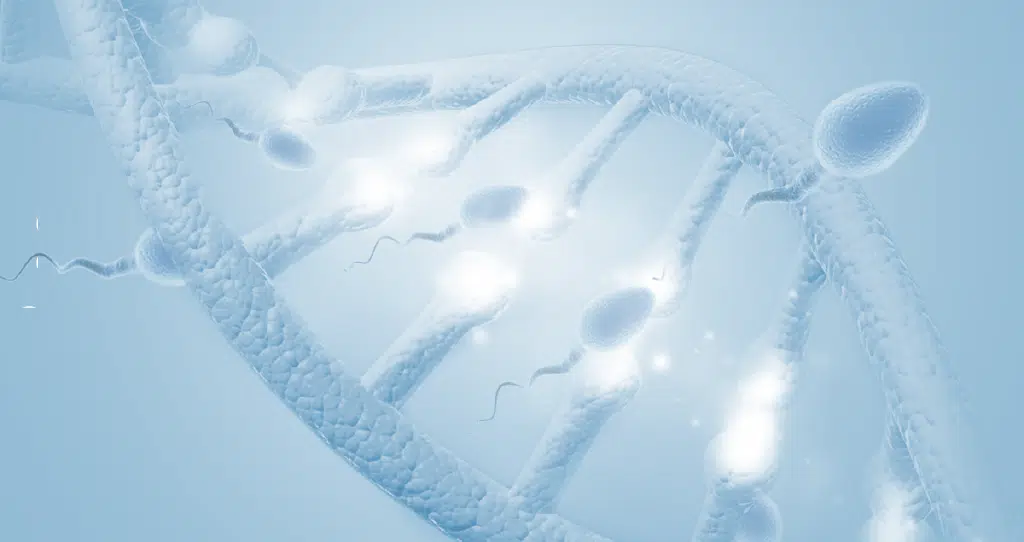
Fragmented DNA strand
How the Test is Performed
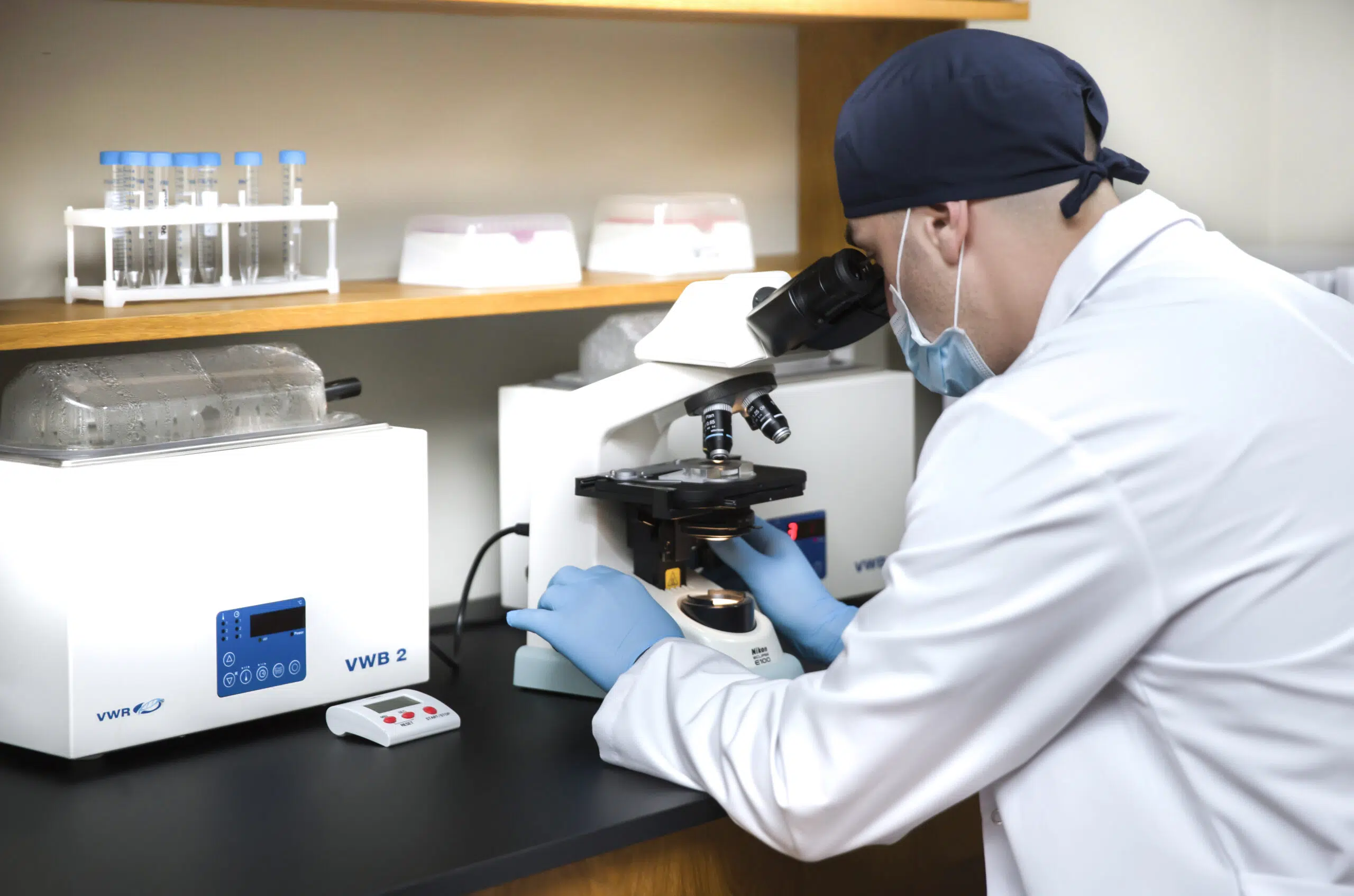
Sperm DNA Fragmentation Test requires a semen sample, which is typically collected by masturbation in a private and sterile setting at the clinic. If needed, the sample can be brought from home, as long as it arrives within 30 to 40 minutes of collection.
Once the laboratory receives the semen sample, the analyst determines the proportion of sperm with a high degree of fragmented DNA. This result is reported as the DNA Fragmentation Index (DFI). A lower DFI means fewer damaged sperm, which is associated with better chances of fertilization and healthy embryo development.
What Your Results Mean
Once the test is complete, your reproductive endocrinologist or andrologist will discuss the results with you. The physician will explain whether the level of DNA fragmentation is within the acceptable range and what, if any, actions are needed. This might include antioxidant therapy, lifestyle changes, or treatment for conditions like varicocele.
If fragmentation is high, your doctor may recommend ICSI (Intracytoplasmic Sperm Injection) instead of standard IVF, or consider surgical retrieval of sperm directly from the testicle if it may harvest sperm with less DNA damage.
Preparing for the Test
To ensure the most reliable results, we recommend a few simple steps:
- Avoid ejaculation for 1 to 3 days before the test (longer periods of abstinence will provide more sperm but will also provide sperm that are older and more likely to suffer from DNA fragmentation)
- Refrain from alcohol for 7 to 10 days
- Minimize or stop tobacco use
- Avoid saunas, hot tubs, or anything that may overheat the body for 2 to 3 days
- Let your doctor know if you’ve recently been ill especially if you experienced a high fever or are taking any medications or supplements
These small adjustments can help provide a more accurate picture of your fertility and support better clinical decisions going forward.

Contact Personal Manager
Make an appointment or request more information. Leave your contact details and our team will get in touch with you!
Frequently Asked Questions (FAQs)
We know that fertility care often brings up many questions — and that every journey is different. Below you’ll find answers to some of the most common questions our patients ask.
Can a man with high DNA fragmentation still conceive?
Yes, but it may take longer or require assisted reproductive techniques like ICSI. Identifying and addressing the cause of DNA fragmentation — such as lifestyle factors or medical conditions — can improve the chances of conception.
Can DNA fragmentation be treated or improved?
In some cases, yes. Treatment options may include lifestyle changes (e.g. quitting smoking, reducing stress), or surgical correction of conditions like varicocele. Your doctor will recommend the most appropriate approach based on your results. Proper consideration and treatment of DNA fragmentation may lead to conception sooner, and requiring fewer expensive procedures.
What are the possible causes of high sperm DNA fragmentation?
High DNA fragmentation in sperm can result from a variety of factors, including past infections, leukocytospermia (presence of white blood cells in semen), elevated testicular temperature, varicocele, advanced age, poor diet, smoking, drug use, and exposure to environmental toxins. Identifying the underlying cause helps guide appropriate treatment or lifestyle changes to improve fertility outcomes.