Why is Cervical Assessment Important?
The cervix is a muscular tube lying between the vagina and the uterus. It has a narrow passage that allows sperm to gain access from the vagina to the uterus following intercourse and allows menstrual flow to escape from the uterus during the menstrual period. During pregnancy, the muscular cervical walls remain contracted to help retain the baby and placenta within the uterus until delivery. During vaginal delivery, the cervix relaxes allowing the baby to leave the uterus and pass through the birth canal.
A healthy cervix is vital for:
- Supporting natural conception.
- Protecting the uterine environment during pregnancy.
- Preventing pre-term labor or miscarriage.
Checking for cervical abnormalities prior to any treatment can significantly improve fertility outcomes and pregnancy success rates. At Reproart, we are committed to efficient and preventive reproductive health care.
When is Cervical Assessment Recommended?
Cervical assessment may be recommended if you:
- Have been trying to conceive for six months or longer without success.
- Have a history of cervical surgery (such as polyp removal, LEEP or cone biopsy).
- Have experienced second-trimester pregnancy loss or pre-term delivery.
- Are undergoing fertility treatments such as IUI or IVF.
- Have symptoms such as abnormal discharge, bleeding or pelvic discomfort.
Checking early can help identify any issues with the cervix that may have affected your ability to conceive or may interfere with your treatments to have a healthy pregnancy. By doing so, you can ensure that any detected problems are addressed effectively and on time, keeping your fertility journey on track.
How is Cervical Assessment Performed at Reproart?
Our cervical evaluation typically includes:
- Transvaginal Ultrasound: To measure cervical length, assess cervical structure and detect any anatomical concerns.
- Cervical Examination: A gentle speculum exam to inspect the cervix visually and collect samples if needed.
- Screening Tests: Vaginal smears (Pap test, bacterioscopy) to detect infections or abnormal cells.
If further investigation is necessary, your reproductive endocrinologist may recommend a colposcopy.
Colposcopy
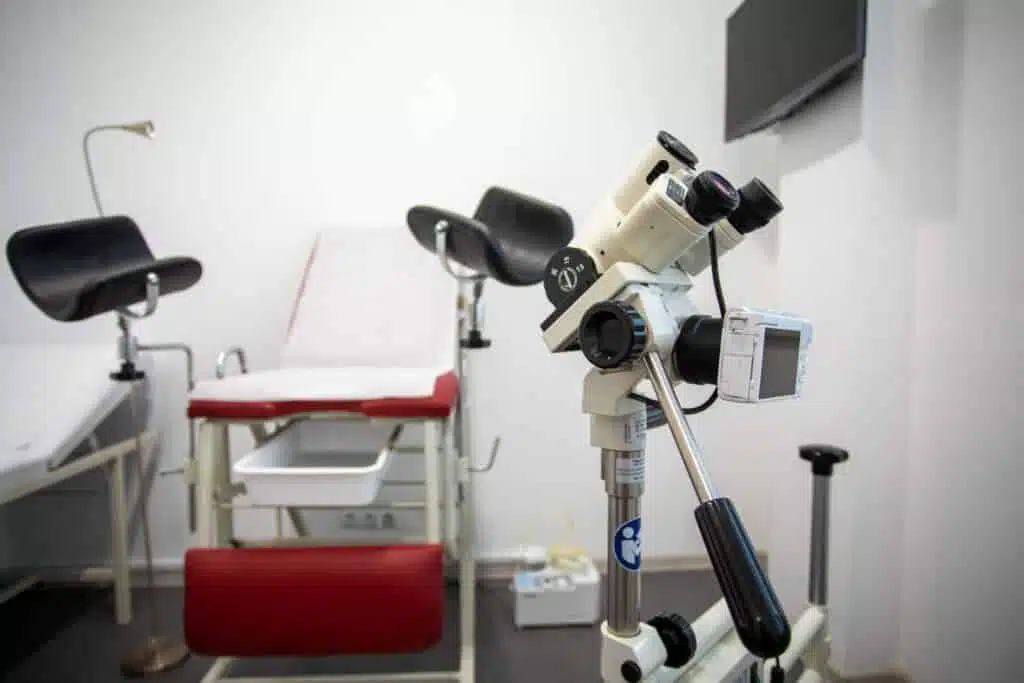
Colposcopy is a simple, minimally invasive procedure that usually takes about 10 to 20 minutes and enables doctors to identify issues with the cervix that may require early treatment. During a colposcopy, a special microscope (colposcope) is used to magnify the cervical tissues and examine any abnormal areas more closely. This procedure is usually recommended if you have had abnormal Pap smear test results or if the doctor sees any noticeable changes on your cervix.
Although some people may experience slight discomfort, the procedure is generally not painful and is performed with utmost care by our specialists to ensure your comfort.
How to Prepare for Cervical Assessment
- The assessment is often scheduled during the early follicular phase of the menstrual cycle (days 5–10) for optimal visualization.
- Avoid intercourse, douching or using vaginal medications 24–48 hours before the appointment.
- Inform your doctor about any symptoms, previous cervical treatments or abnormal Pap smear results.
If a colposcopy is planned:
- In addition to the preparation for cervical assessment (above), you may wish to take a mild pain reliever (such as ibuprofen) to minimize any potential discomfort.
- Light spotting may occur after the procedure, so consider bringing a sanitary pad.
Our team will offer easy-to-follow guidelines to help you feel relaxed and well-informed for the process ahead.
What to Expect During the Procedure
The transvaginal ultrasound is typically painless, although you may feel mild pressure. A Pap smear or cervical culture, if needed, is quick and may cause minimal discomfort. If a colposcopy is performed:
- A speculum is gently inserted to visualize the cervix.
- A special microscope remains outside the body to magnify the cervical tissue.
- A diluted solution of acetic acid, commonly known as vinegar, is used to highlight abnormal areas on the cervix, making them easier to visualise with the colposcope. You might feel a slight stinging for a moment when this solution is applied, but most people find the sensation tolerable.
- If a biopsy is necessary, you may feel a brief cramp or pinch.
- The entire procedure generally takes about 10–20 minutes.
Understanding Your Results
- A normal cervical structure and length are reassuring signs for natural conception and maintaining a pregnancy.
- If the cervix is shorter than normal, not functioning well, or if there are infections, you may need additional care. This could include treatments like a cervical stitch (cerclage) to support the cervix, antibiotics to treat infections, or creating a personalized plan to help you on your journey to fertility.
- If you undergo colposcopy and/or biopsy, your doctor will review the results with you in a clear and understandable way and outline the next steps.
Your Reproductive Endocrinologist will help you understand your current reproductive health and develop a personalized plan that best supports your treatment objectives.

Contact Personal Manager
Make an appointment or request more information. Leave your contact details and our team will get in touch with you!
Frequently Asked Questions (FAQs)
We know that fertility care often brings up many questions — and that every journey is different. Below you’ll find answers to some of the most common questions our patients ask.
Is colposcopy painful?
A colposcopy itself is not painful. You may feel slight pressure during the exam and mild stinging if a solution is applied. If a biopsy is taken, a brief cramp or pinch may occur.
What happens if an abnormality is found during a colposcopy?
If doctors find an unusual area during a test, they might take a small sample to send to the laboratory for further analysis. Your doctor will discuss the results with you and suggest what to do next based on the findings.
Can cervical issues affect fertility?
Yes, cervical factors such as stenosis, incompetence, infections or anatomical abnormalities can impact fertility. Early detection and management can improve outcomes.