What is Azoospermia?
Azoospermia is a condition where no sperm cells are present in the ejaculate. Sperm is normally produced in the testicles and travels through the reproductive tract, mixing with seminal fluid before ejaculation. When this process is disrupted and no sperm is found in the semen, it is diagnosed as azoospermia.
There are two main types:
- Obstructive azoospermia: sperm production in the testicles is normal, but a blockage in the reproductive tract prevents sperm from being released.
- Non-obstructive azoospermia: there is a problem with sperm production itself — either the testicles don’t produce any sperm or the amount is too low to appear in the ejaculate.
How Common is it?
Infertility affects around 15% of couples worldwide. In about half of these cases, a male factor is involved. Among male infertility cases, approximately 20% are caused by azoospermia.
How is Azoospermia Diagnosed?
Azoospermia is often discovered when a couple tries to conceive and sperm analysis reveals no sperm in the ejaculate. Diagnosis typically includes:
- Consultation with a urologist-andrologist
- Semen analysis
- Physical examination
- Hormonal blood tests
- Ultrasound of the testicles and urinary tract
- Genetic testing (including karyotyping, Y-chromosome microdeletion testing, and cystic fibrosis mutation analysis if needed)
Can Men with Azoospermia Still Have Children?
Yes — a diagnosis of azoospermia does not mean biological fatherhood is impossible. At Reproart, we offer personalized solutions based on the type and cause of azoospermia, always guided by detailed diagnostic findings.
For obstructive azoospermia, we may use PESA (Percutaneous Epididymal Sperm Aspiration), a minimally invasive procedure to retrieve sperm directly from the epididymis.
For non-obstructive azoospermia, treatment depends on the cause. If the issue is hormonal, medications may be prescribed. In severe cases, Micro TESE (Microsurgical Testicular Sperm Extraction) is used — a highly advanced technique that allows us to search for and extract even a single sperm cell from the testicular tissue under a microscope.
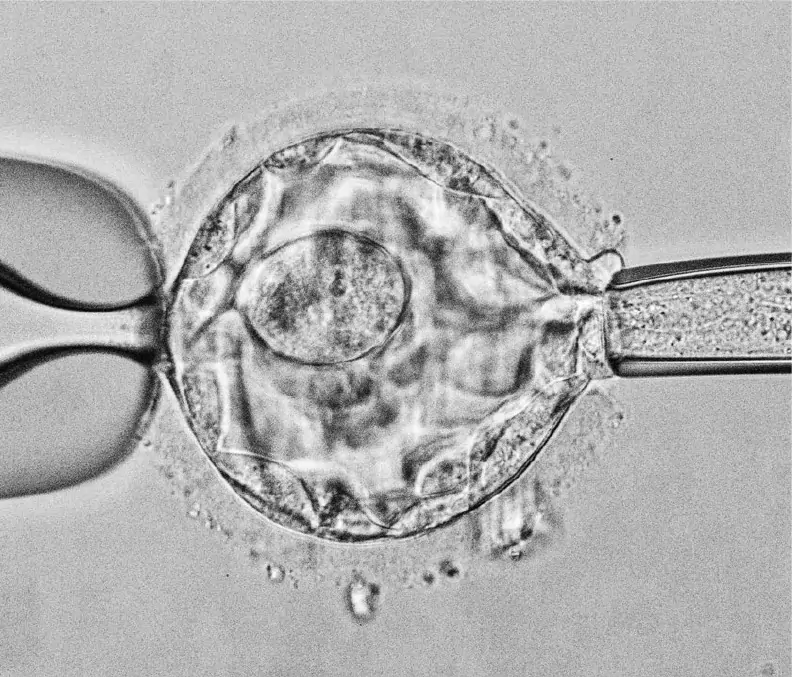
Even a single viable sperm can be used for ICSI (Intracytoplasmic Sperm Injection), where it is injected directly into the egg during IVF to achieve fertilization.
The Reproart Difference
With the advanced tools and techniques available at Reproart, including Micro TESE and ICSI, many of our patients with azoospermia have gone on to experience the joy of parenthood. Our team is here to support you through each step — from diagnosis to treatment planning and beyond.