Tips About Georgia
A lot of intended parents first come across Georgia while researching surrogacy options — but once they arrive, they’re often genuinely touched by how welcoming, beautiful, and soulful the country feels right from the start.
Yes, Georgia is known for its supportive legal environment and high-quality medical services, but there’s so much more to discover.
With its deep-rooted history, unique alphabet, and rich cultural traditions, it quickly becomes more than just a destination. Many of our parents tell us they didn’t expect to feel such a connection — some even start learning the language or exploring the culture more deeply during their visits.
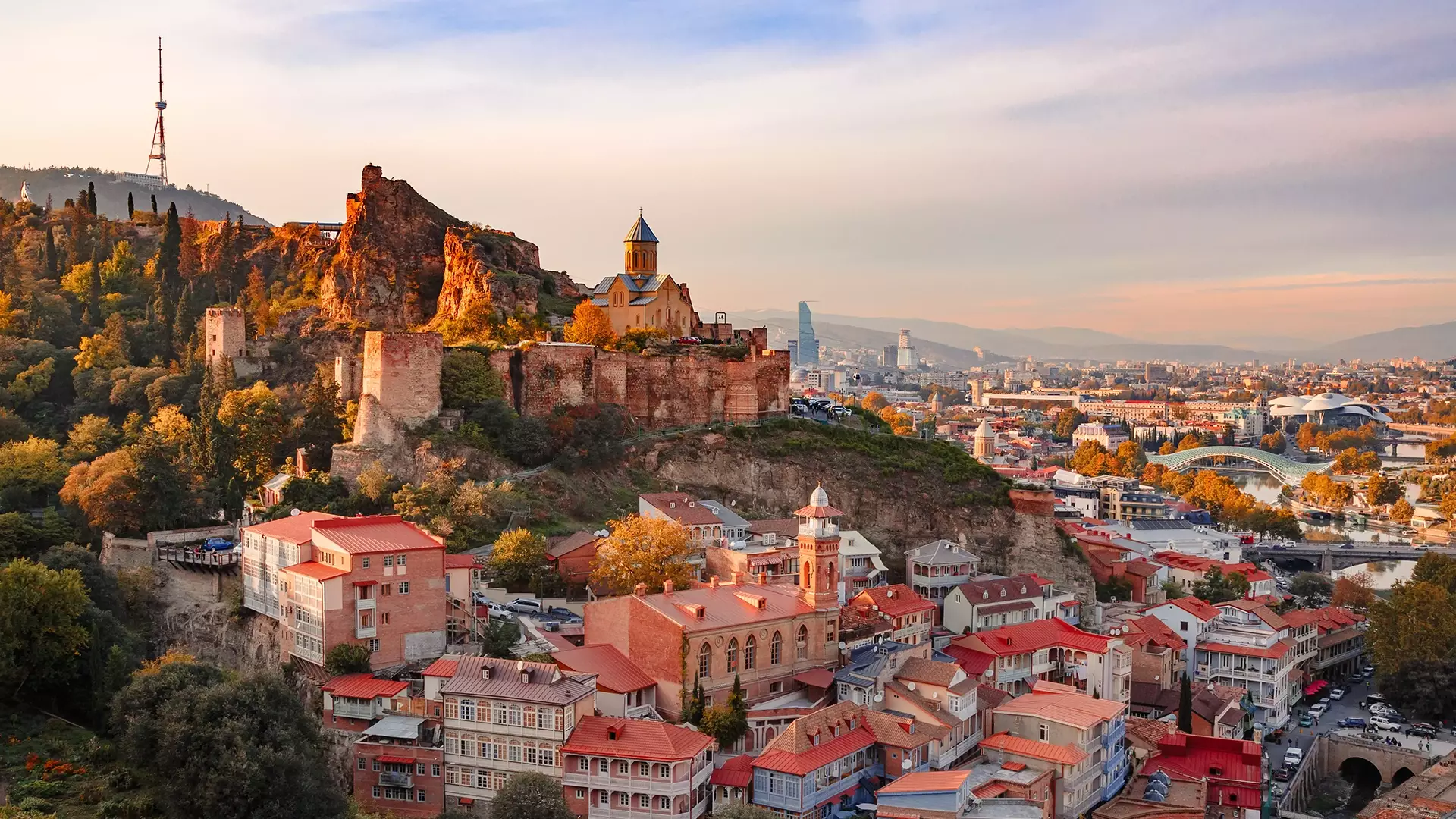
About Georgia
Nestled between Europe and Asia, Georgia is a small country with a big heart. Home to around 3.7 million people, it combines thousands of years of history with a growing spirit of innovation and openness. The capital city, Tbilisi, is known for its charming blend of old-world architecture and modern energy, while other major cities like Batumi, Kutaisi, and Telavi offer access to the sea, the mountains, and the vineyards that define Georgia’s unique character.
With four distinct seasons, Georgia offers something beautiful year-round. Spring brings fresh blossoms and soft air; summer is sunny and vibrant, perfect for coastal escapes; autumn glows with warm colors and abundant harvests; and winter offers snow-covered mountains for skiing, while cities like Tbilisi remain cozy and alive. Whether you’re here for medical care or leisure, the natural rhythm of Georgia invites you to slow down and feel connected.
Beyond its landscapes, Georgia is increasingly recognized as a safe, affordable, and welcoming destination for international travelers. It’s one of the oldest wine-producing countries in the world, and its cuisine is rich, hearty, and shared generously. For many visitors, Georgia feels both like an adventure and a homecoming — a place where modern treatment meets deep-rooted hospitality.

What to Know Before You Travel
Here are a few key things to know before your journey — including local time, currency, emergency contacts, and more. This information will help you feel informed and comfortable as you prepare for your stay in Georgia.

Time Zone
Georgia is in the Eastern European Time Zone — that’s GMT+4 in winter and GMT+3 during daylight saving time. This makes it easy to coordinate with most parts of Europe, the Middle East, and even beyond when planning appointments or staying in touch with loved ones at home.

Local Currency
The currency in Georgia is the Georgian Lari (GEL), and it’s pretty simple to manage your spending here. Most restaurants, pharmacies, hotels, and shops accept credit or debit cards. That said, it’s always handy to carry a bit of cash — especially if you’re shopping at a local market or heading outside the city. ATMs are everywhere and easy to use.

Emergency Services
If you ever need assistance, just dial 112 — this is Georgia’s nationwide emergency number for police, fire, or medical help. It works throughout the country, and operators are trained to respond quickly. Hopefully, you’ll never need it, but it’s reassuring to know it’s there.
Arriving in Georgia and Exploring More
Georgia is easy to reach and even easier to fall in love with.
From your arrival at the airport to your first walk through Tbilisi’s historic streets, every moment is full of charm and discovery.
Whether you have just a few days or extra time to explore, there is so much to see — from local cafés and cultural landmarks to mountain villages and wine country.


A Land of Ancient Culture and Living Traditions
Georgia is often called the birthplace of wine — with a winemaking tradition that dates back over 8,000 years. UNESCO even recognizes the ancient qvevri method of fermenting wine in clay vessels as part of the world’s intangible cultural heritage. But Georgia’s story stretches even further back: in the town of Dmanisi, archaeologists discovered 1.8-million-year-old hominid remains known as Zezva and Mzia — the oldest human ancestors found outside Africa. Georgia is also home to one of the world’s 14 unique alphabets — the beautiful and flowing Georgian script, which has evolved over centuries and remains in everyday use today.
This deep connection to history comes alive through Georgia’s performing arts as well. The Georgian National Ballet is a powerful expression of heritage — blending athleticism, grace, and ancient warrior traditions.


A Culinary Tradition That Brings People Together
Georgian cuisine is more than just food — it’s a celebration of life, family, and hospitality. Every meal is a shared experience, filled with rich flavors, seasonal ingredients, and centuries-old recipes passed down through generations. From the crisp dough of khachapuri to the fragrant spices of khinkali, each dish tells a story of place, memory, and care.
At the heart of Georgian dining is the supra — a traditional feast led by a toastmaster, or tamada, where food, wine, and heartfelt toasts come together to create an atmosphere of connection and joy. Whether you’re enjoying a casual lunch in a small village or sitting down for an elaborate dinner in Tbilisi, you’ll feel the warmth of a culture that believes in feeding both body and soul.




Practical Information for Visitors to Georgia
Whether you’re visiting Georgia for medical care, tourism, or both, having the right information at your fingertips makes your stay safer, smoother, and more enjoyable. Here’s what you need to know while you’re here.